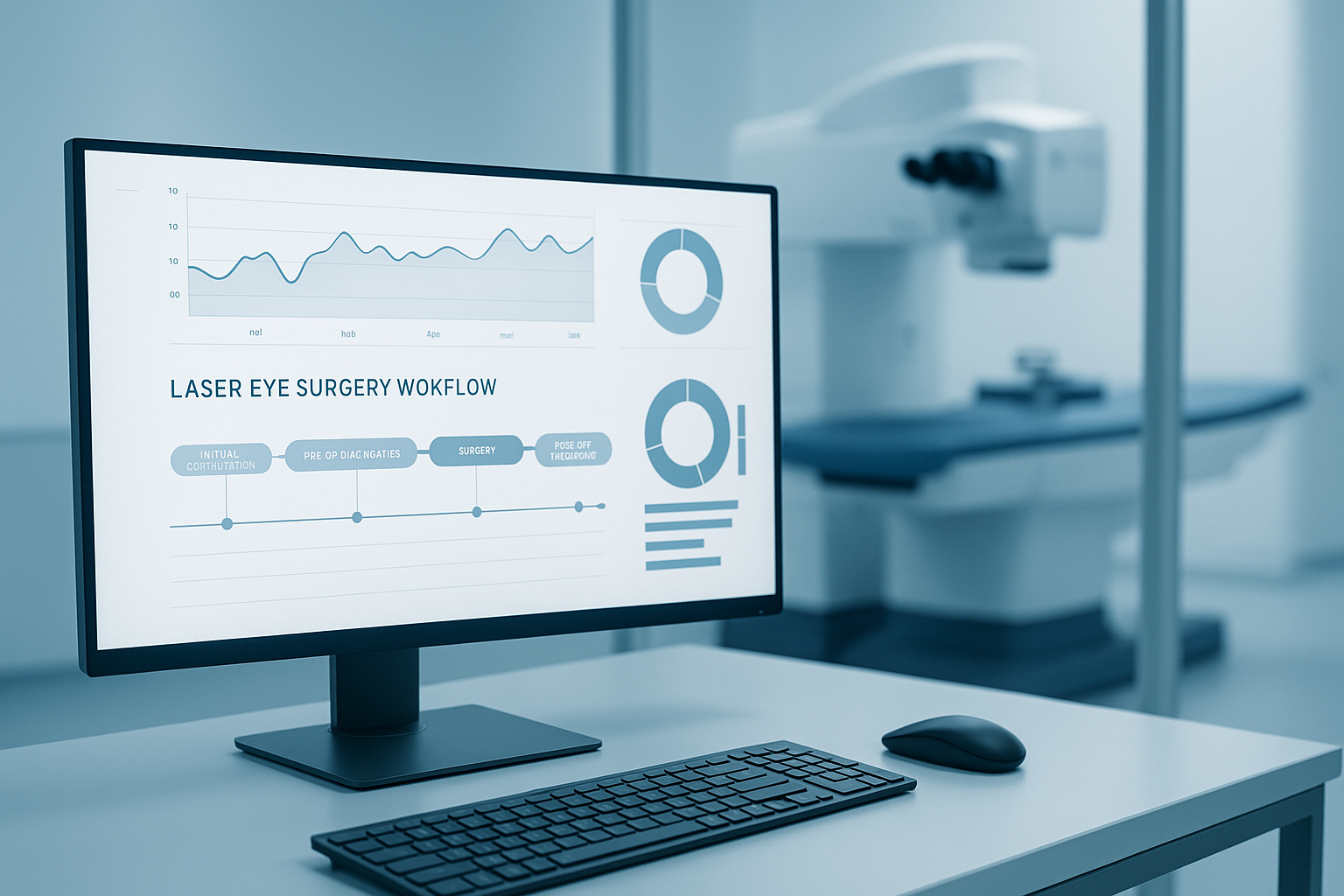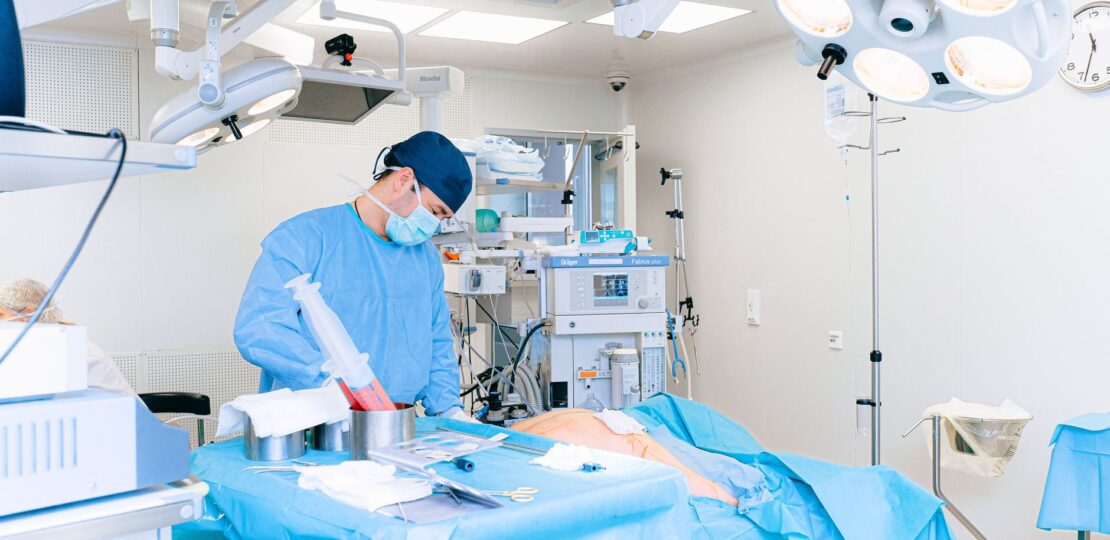
Modern surgical facilities increasingly rely on sophisticated technology infrastructure to deliver optimal patient outcomes. The intersection of healthcare and information technology has transformed how medical procedures are performed, documented, and managed. From digital imaging systems to data storage solutions, the technical backbone of contemporary surgical centers shares many principles with enterprise IT management, including the partition management and data organization strategies familiar to IT professionals.
In specialized surgical fields, the importance of reliable equipment and digital infrastructure cannot be overstated. Procedures require not only skilled practitioners but also dependable technological systems that ensure precision, documentation, and continuity of care throughout the patient journey.
Digital Imaging and Storage Infrastructure
Medical imaging systems generate substantial volumes of data that require robust storage solutions. High-resolution photography and 3D imaging equipment used in surgical documentation demand storage architectures similar to those used in enterprise environments. Medical facilities must implement partition strategies that separate patient data, imaging files, and operational records while maintaining quick access and regulatory compliance.
The imaging equipment used before and after surgical procedures creates files ranging from several megabytes to gigabytes per patient session. These files must be stored securely, backed up reliably, and remain accessible for years to meet medical record retention requirements. This presents challenges similar to managing large-scale data repositories in corporate IT environments, where proper disk partitioning and storage management prove essential.
Modern surgical centers utilize PACS (Picture Archiving and Communication Systems) that function as specialized databases requiring careful capacity planning. The partition management principles that apply to general computing systems—separating system files from data, implementing redundancy, and optimizing performance—translate directly to medical IT infrastructure.
Equipment Management and Operational Systems
Beyond imaging, surgical facilities deploy various specialized equipment that requires digital integration. Inventory management systems track instruments, disposable supplies, and maintenance schedules. These operational databases benefit from the same organizational principles that drive efficient partition management in general IT contexts.
When examining 여유증 전후 procedures specifically, facilities must coordinate multiple technology systems simultaneously. Pre-operative assessment tools, surgical planning software, imaging equipment, and post-operative monitoring systems all generate data streams that must be integrated into cohesive patient records.
The reliability of these systems directly impacts surgical outcomes and patient satisfaction. Equipment downtime or data loss can disrupt scheduling, compromise documentation, or create liability concerns. Consequently, medical IT administrators apply many of the same redundancy and backup strategies used in mission-critical business applications.
Documentation Technology and Patient Experience
Comprehensive before-and-after documentation serves multiple purposes in surgical medicine. It provides objective assessment of outcomes, supports patient consultation and decision-making, contributes to quality improvement initiatives, and serves legal documentation purposes. The technology infrastructure supporting this documentation must be both powerful and user-friendly.
Digital photography systems in surgical settings have evolved from simple point-and-shoot cameras to sophisticated imaging stations with standardized lighting, positioning guides, and direct integration with electronic health records. These systems capture consistent, high-quality images that enable accurate comparison over time.
The storage requirements for this documentation parallel the challenges faced in media production environments. Raw image files must be preserved in high resolution while compressed versions are generated for routine viewing. Metadata tagging, search functionality, and version control become essential features, requiring database systems with well-organized storage partitions.
Patient access portals represent another technological dimension, allowing individuals to securely view their own documentation through web interfaces. These systems require separate partitions for public-facing web servers, application logic, and backend databases—architectural patterns familiar to web developers and system administrators.
Integration with Electronic Health Records
The seamless integration of imaging and equipment data into comprehensive electronic health records (EHR) systems represents a significant technical challenge. Medical facilities must ensure that images, measurements, and equipment logs synchronize with clinical notes, scheduling systems, and billing platforms.
This integration requires careful data architecture planning. Different data types—structured clinical data, unstructured text notes, binary image files, and equipment logs—must coexist within unified systems while maintaining performance and accessibility. The partition strategies that separate different workload types while enabling cross-partition queries prove valuable in this context.
Data Security and Compliance Considerations
Healthcare data security requirements exceed those of most other industries. HIPAA regulations in the United States and equivalent frameworks globally mandate strict controls over patient information. The technical implementation of these controls often involves partitioning strategies that isolate sensitive data, implement access controls at the storage layer, and enable granular audit logging.
Encryption presents additional performance considerations. When patient imaging data must be encrypted at rest and in transit, storage systems require additional overhead capacity. Proper partition sizing accounts for this overhead while maintaining responsive system performance.
Backup and disaster recovery planning for medical facilities must address both routine data protection and business continuity requirements. Surgical centers cannot afford extended downtime, making redundant systems and rapid recovery procedures essential. The partition-level backup strategies used in enterprise IT—separating system partitions from data partitions, implementing incremental backup schemes, and maintaining off-site replicas—apply equally in medical contexts.
Long-Term Data Retention
Medical records retention requirements often extend for decades, creating unique challenges for storage infrastructure. As technology evolves, facilities must migrate data from legacy systems to current platforms while preserving accessibility and integrity. This ongoing migration process requires planning similar to major IT infrastructure upgrades in corporate environments.
The imaging file formats, database schemas, and application interfaces used today may become obsolete within a decade, yet the data itself must remain accessible and usable. Forward-thinking medical IT departments implement open standards and documented data structures that facilitate future migrations, much as IT professionals design systems with long-term maintainability in mind.
Equipment Reliability and Preventive Maintenance
The physical reliability of medical equipment parallels the reliability concerns in IT infrastructure. Imaging systems, computers, storage arrays, and networking equipment all require preventive maintenance, monitoring, and eventual replacement. Many surgical facilities implement computerized maintenance management systems (CMMS) to track equipment service histories and schedule preventive maintenance.
These maintenance systems generate their own data that must be stored and analyzed. Tracking equipment performance over time enables data-driven decisions about repair versus replacement, identifies patterns that predict failures, and supports regulatory compliance with equipment maintenance requirements.
The intersection of medical equipment and IT systems creates interdependencies that require careful management. When imaging equipment connects to network storage systems, both the medical device and the IT infrastructure must function correctly for the system to operate. This creates support challenges that require cross-functional expertise spanning medical technology and information technology domains.
Future Directions in Medical Technology Infrastructure
Emerging technologies continue to increase the complexity and capabilities of medical IT systems. Artificial intelligence applications that analyze medical images require substantial computational resources and specialized storage for training datasets. 3D imaging and virtual reality planning tools generate even larger files than traditional photography. Cloud computing offers new options for data storage and disaster recovery but introduces additional security and compliance considerations.
As medical technology advances, the underlying IT infrastructure must evolve in parallel. The principles of effective storage management, data organization, and system reliability that apply in general computing contexts remain relevant and increasingly critical in medical applications. Surgical facilities that invest in robust technical infrastructure position themselves to adopt new capabilities while maintaining the security, reliability, and performance that patient care demands.
The convergence of healthcare and information technology creates opportunities for IT professionals to apply their expertise in new domains while adapting to the unique requirements of medical environments. Whether managing partition structures for enterprise databases or organizing storage systems for medical imaging, the fundamental principles of effective data management remain constant across contexts.
RELATED POSTS
View all